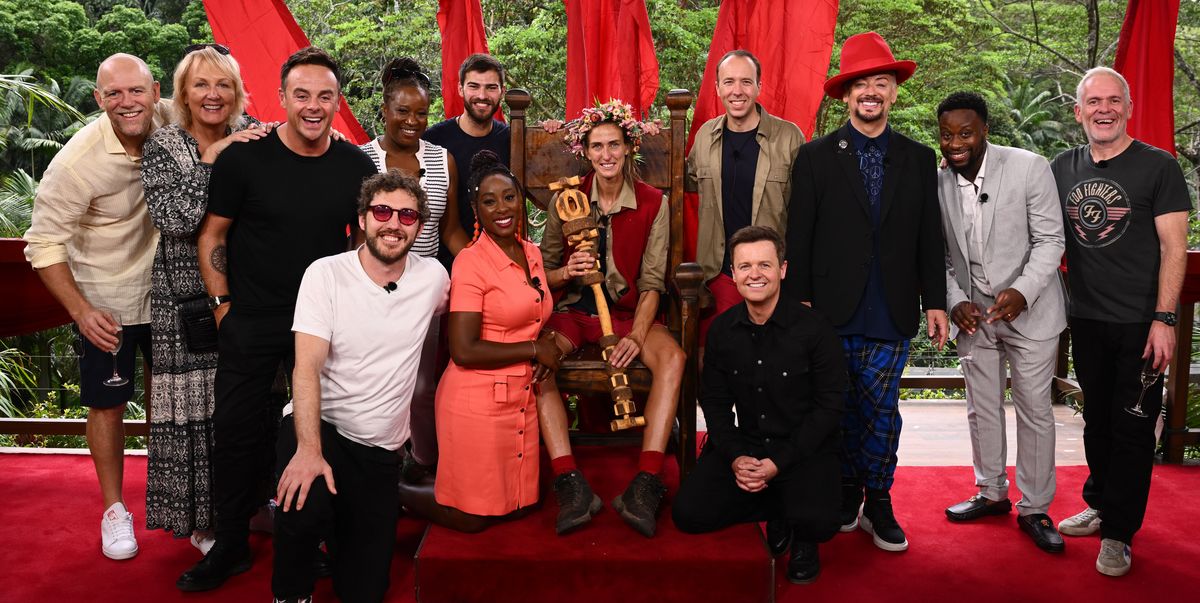
ITV has firmly denied claims that actor Adam Thomas received preferential treatment during his time on I’m a Celebrity…Get Me Out of Here!, following a wave of backlash after the show’s dramatic final. Viewers flooded social media with allegations of bias, suggesting Thomas was shielded from challenges, given softer storylines, and positioned as a front-runner from day one. The broadcaster has responded with a clear statement: no contestant, regardless of background or profile, is granted special treatment.
This isn’t the first time the jungle has faced scrutiny. From accusations of manipulated editing to claims of rigged trials, reality TV fans are quick to question fairness—especially when a familiar face thrives. But what made the Adam Thomas situation different? It wasn’t just his performance—it was the perception of patterned leniency.
The Backlash: How Viewer Suspicion Took Hold
The controversy didn’t erupt overnight. It built gradually over the course of the series, fueled by moments that stood out to sharp-eyed viewers. Thomas, best known for his role as Adam Bateman on Waterloo Road, entered the camp with a quiet demeanour and a history of mental health advocacy. From the beginning, some fans noted that he was often spared from the more psychologically taxing Bushtucker Trials—particularly those involving live insects or isolation.
One pivotal moment came during Week 3, when three celebrities faced a trial involving venomous creatures. Thomas, despite being one of the strongest physically, was notably absent. Instead, a newer campmate—one with lower public profile—was selected. Fans questioned the logic: Was it random? Or was there an unspoken hierarchy?
Then came the final night. Thomas made it to the last three but finished as runner-up. Immediately, online forums lit up. “He barely did any hard trials,” wrote one viewer on Reddit. “Other people were eating goat testicles and he got to do trivia quizzes?” Another tweet read: “Adam Thomas never broke a sweat in that camp. How is that fair?”
The sentiment spread. Tabloids picked up the narrative. Headlines like “Was Adam Handed a Free Pass?” and “Jungle Favouritism Scandal” amplified the concern. At its core, the issue wasn’t just about Thomas—it was about trust in the show’s integrity.
ITV’s Official Response: Damage Control or Truth?
Faced with mounting pressure, ITV released a formal statement:
"All contestants on I’m a Celebrity are treated equally. Trial selection is determined by a combination of camp votes, producer assessments of story arcs, and, crucially, random draws. No individual receives favourable treatment based on fame, background, or personal circumstances. We stand by the fairness of the process."
The statement was concise but firm. Behind the scenes, producers reportedly emphasized that trial selection is a multifaceted decision. While producers do shape narratives for television, they argue it’s for pacing and emotional depth—not to rig outcomes.
Still, sceptics remain. “Narrative shaping” is itself a form of editorial control. If Thomas was portrayed as the “emotional heart” of the series—someone overcoming personal struggles—then logically, he’d be less likely to be shown shoving scorpions into his mouth. That doesn’t mean he was favoured, but it does mean his journey was curated.
What Is Favouritism in Reality TV?

Let’s be clear: reality TV is not a sport. It’s entertainment. And entertainment requires storytelling. That means editors and producers are always making choices—who to focus on, which moments to highlight, which trials to assign.
Favouritism, in the strictest sense, would mean breaking rules to help a specific contestant win. That’s different from strategic storytelling.
Consider past examples:
- In 2018, Emily Atack was criticised for being “over-edited” and given too much screen time. But she didn’t win.
- In 2020, Mo Gilligan was seen as a clear favourite—and won. Was he favoured? Or simply well-liked and compelling on camera?
- In 2014, Carl Fogarty’s victory was questioned after he avoided several gruelling trials. Producers cited medical concerns.
The line between editorial choice and unfair advantage is thin. With Thomas, the concern isn’t that he won—it’s that he seemed to avoid the core challenges that define the I’m a Celebrity experience.
The Adam Thomas Factor: Sympathy, Strategy, or Smoke?
Thomas brought a unique presence to the jungle. Open about his struggles with anxiety and ADHD, he quickly became a figure of empathy. His candid conversations with fellow campmates about mental health were praised by charities and viewers alike. Clips of him supporting others during panic attacks went viral.
This emotional resonance likely influenced his screen time. And screen time influences perception.
But did it influence trial selection?
According to production insiders, trial assignments are handled by a team that includes psychologists, medics, and safety coordinators. While producers want compelling TV, they also have a duty of care. Someone with a documented anxiety disorder may be steered away from trials involving confinement or extreme sensory stress—even if they volunteer.
Thomas never claimed immunity. In fact, he offered to take on trials on multiple occasions, according to campmate interviews. But the final decision rests with producers, who weigh risk, narrative, and safety.
One crew member, speaking anonymously, said: “We’re not here to traumatise people. If someone’s not the right fit for a particular trial, we don’t force it. That’s not favouritism—it’s responsibility.”
Comparing the Journey: Thomas vs. Other Finalists
Let’s break it down with a direct comparison of the finalists’ experiences:
| Contestant | Bushtucker Trials Completed | Notable Challenges | Screen Time Focus | Public Perception |
|---|---|---|---|---|
| Adam Thomas | 3 (all low-intensity) | Trivia-based, mild food trials | Mental health, emotional support | “Protected” |
| Tina Louise | 5 (including live spiders) | High-intensity food, isolation | Survival skills, resilience | “Hardworking underdog” |
| Dean McCullough | 4 (mixed difficulty) | Swinging food trial, snake encounter | Humour, coming out story | “Fan favourite” |
Thomas completed the fewest and least intense trials. Yet, he received significant emotional screen time. Was that fair? That depends on what viewers value: endurance or emotional depth.
Some fans argue the show should reward hardship. Others say it’s about personal growth. Thomas’s arc was clearly the latter. But in a competition known for eating kangaroo anuses, avoiding trials can look suspicious—even if justified.
The Bigger Issue: Transparency in Reality TV
The Adam Thomas debate touches a nerve because I’m a Celebrity markets itself as a test of endurance. The jungle is supposed to be brutal. The trials, terrifying. The conditions, harsh.
When a contestant seems to dodge the worst of it, the premise feels compromised.
Other reality shows face similar issues:
- Strictly Come Dancing is often accused of “saving the celebrities” with high public appeal.
- Love Island is criticised for editing that inflates certain romances over others.
- The Apprentice has long been suspected of scripting moments for drama.
But viewers accept these as part of the genre—so long as the outcome feels earned.
With Thomas, the outcome felt, to some, unearned. Not because he wasn’t likable, but because he didn’t face the fire others did.
What Producers Could Do Differently
To maintain credibility, reality shows must balance storytelling with transparency. Here’s how I’m a Celebrity could address the concern:
- Publish trial selection criteria – Even a general guide would help. Is it random? Performance-based? Medically reviewed?
- Show more behind-the-scenes decision-making – A short segment explaining why someone was or wasn’t chosen for a trial adds legitimacy.
- Introduce a trial rotation system – Ensure every contestant faces at least one high-intensity challenge.
- Include contestant input – Let them volunteer publicly, so viewers see who steps up.
These steps wouldn’t eliminate perception issues—but they’d reduce conspiracy theories.
The Verdict: Was There Favouritism?
No evidence suggests Adam Thomas was given an unfair advantage to win. He didn’t win. He didn’t dominate trials. And he didn’t avoid camp duties. What he did was deliver powerful emotional moments that resonated with viewers.
Was he protected? Possibly—due to mental health considerations. Was that favouritism? Not in the manipulative sense. Was it controversial? Absolutely.
The real issue isn’t Thomas—it’s the evolving expectations of reality TV audiences. We want authenticity, but we’re watching a produced show. We want fairness, but we’re entertained by narratives.
Thomas became a symbol of that tension.
Moving Forward: What Fans Should Watch For
If you’re tuning into future seasons, here’s how to spot potential bias:
- Track trial distribution – Use fan wikis or trackers to see who does what.
- Note editing patterns – Does one contestant always get rescued or comfort others without consequence?
- Check medical disclosures – If someone has a known condition, their trial avoidance may be justified.
- Compare journey arcs – Are underdogs consistently punished while stars glide through?
Awareness is the best defence against perception bias.
ITV may deny favouritism, but the conversation won’t end here. As long as reality TV blends truth and theatre, viewers will keep asking: who really has the upper hand in the jungle?
Stay critical. Watch closely. And remember—what you see on screen is only part of the story.
Frequently Asked Questions
Did Adam Thomas win I’m a Celebrity? No, Adam Thomas was the runner-up. He did not win the competition.
How many Bushtucker Trials did Adam Thomas complete? He completed three trials, all of which were lower-intensity, focusing on trivia or mild food challenges.
Why didn’t Adam Thomas do more difficult trials? While not officially confirmed, production sources suggest trials are assigned based on medical, psychological, and narrative factors. Thomas has spoken openly about anxiety, which may have influenced decisions.
Has ITV ever admitted to favouritism? No, ITV consistently maintains that all contestants are treated fairly and trial selection is based on a mix of randomness, safety, and storytelling.
Are I’m a Celebrity trials rigged? There’s no evidence of rigging. However, trial selection is producer-led, meaning it’s influenced by multiple factors beyond pure chance.
Was Adam Thomas bullied in the camp? No reports or footage suggest bullying. In fact, Thomas was widely supported by fellow campmates, especially during emotional moments.
Could mental health be a valid reason to skip trials? Yes. The show has medical and psychological staff on site, and contestant well-being is a priority. Some trials may be deemed too triggering for individuals with specific conditions.
What mistakes should you avoid? Avoid generic choices, weak validation, and decisions based only on marketing claims.
What is the next best step? Shortlist the most relevant options, validate them quickly, and refine from real-world results.